Syria stands today before one of the most critical turning points in its modern history. After long years of conflict and harsh socio-economic challenges, the discourse surrounding “reconstruction” is no longer confined to merely repairing war-torn infrastructure or public utilities. Instead, the term has become deeply intertwined with an urgent necessity: rebuilding the state apparatus and its economic and administrative institutions on modern foundations that guarantee sustainable stability and accelerated growth.
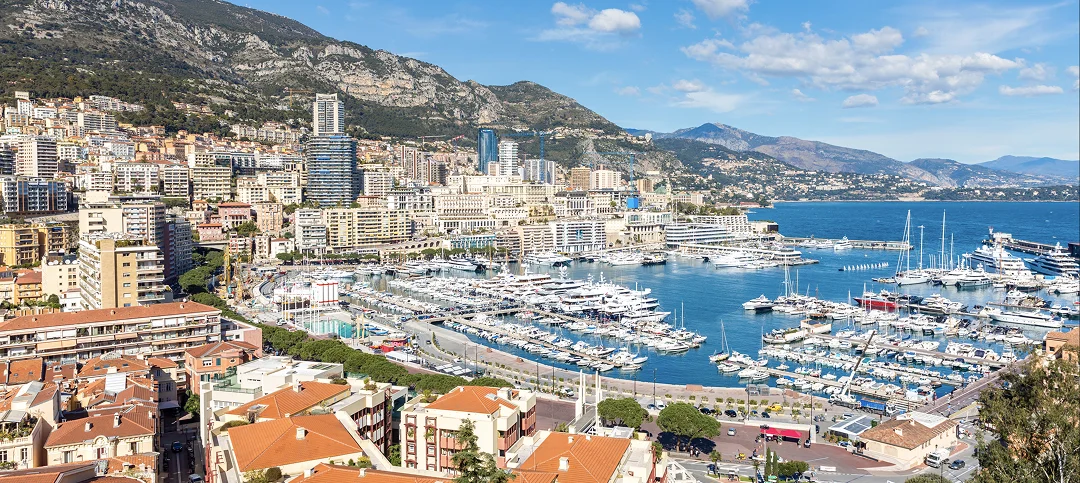
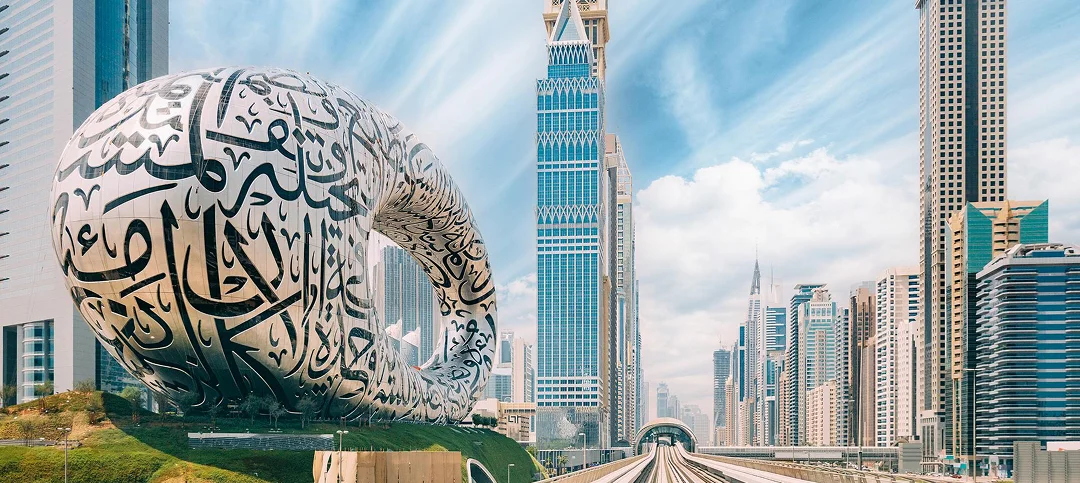
In this context, the developmental leaps of global cities and nations that achieved exceptional prosperity, despite modest beginnings or limited geographic scale, serve as powerful blueprints. Two models stand out as particularly inspiring: Monaco and Dubai.
Naturally, these two experiences cannot be treated as rigid templates for exact duplication; every nation possesses its own unique historical, demographic, and political realities. However, the core principles that forged their success can ignite a new Syrian development vision built on three pillars: institutional efficiency, economic openness, and sound governance.
1. The Monaco Model: Institutional Trust and Legal Stability
Despite being one of the smallest nations in the world by landmass, the Principality of Monaco succeeded in building a high-value, high-productivity economy driven primarily by financial services, luxury tourism, and global wealth management.
This economic triumph was not a geographical coincidence; it was the direct result of long-term strategic policies focused on:
- Investor Protection: Crafting strict legal frameworks that safeguard capital and guarantee long-term business continuity.
- Cultivating Institutional Trust: Developing regulatory and administrative systems that align seamlessly with stringent international standards.
- Legislative Predictability: Clear, unwavering rules governing economic life, turning the state into a safe haven for global enterprise.
2. The Dubai Model: Strategic Vision and Speed of Execution
On the other hand, Dubai presented a unique developmental paradigm built on limitless economic ambition and a bold, open-door policy toward global markets.
Over the past few decades, Dubai concentrated on foundational pillars that engineered its competitive edge:
- World-Class Infrastructure: Building global logistics networks, ports, and airports that seamlessly linked East and West.
- Specialised Free Economic Zones: Streamlining government procedures, cutting bureaucratic red tape, and offering tax incentives to foreign investors.
- Business Agility: Transforming geographical location into a massive competitive advantage, attracting top-tier global talent and venture capital by rapidly adapting to technological advancements.
3. A Roadmap for Syria’s Emerging Development Model
By analytically contrasting the experiences of Monaco and Dubai, we can extract four essential principles to shape the upcoming Syrian economic model:
Institutional Restructuring and the Rule of Law
Building strong, effective public institutions rooted strictly in Meritocracy for recruitment and management, backed by rigorous transparency and accountability. Strengthening judicial independence and establishing the rule of law are the primary catalysts needed to restore the trust of both Syrian citizens and foreign investors.
Modernising the Investment Environment
The Syria of tomorrow requires clear, stable, and progressive economic legislation that provides absolute legal protection for domestic, expatriate, and foreign capital. Legislative stability is the ultimate trigger for launching large-scale productive projects capable of generating real jobs and stimulating comprehensive GDP growth.
Digital Transformation and Anti-Bureaucracy
Adopting comprehensive Digital Transformation strategies and automating government transactions is not a luxury, it is a critical tool to eliminate administrative corruption, dismantle crippling bureaucracy, and drastically elevate the quality of public services.
Sustainable Urban Planning and Smart Cities
On the urban planning front, the current reconstruction phase offers a historic, once-in-a-generation opportunity to adopt Smart City and Sustainable Urban Planning concepts. This entails developing clean-energy grids, efficient public transport systems, and green public spaces that enhance the daily quality of life for citizens.
Conclusion: Developing People Before Infrastructure
The real existential challenge facing Syria does not lie in rebuilding concrete and stone alone, but in innovating a brand-new development paradigm capable of transforming the country’s brilliant geographic location and highly skilled human capital into competitive economic strengths.
Between Monaco’s model of institutional efficiency and legal trust, and Dubai’s model of openness, innovation, and execution speed, Syria has the opportunity to engineer its own distinct hybrid—a model that blends these global principles with its own deep history, cultural identity, and sovereign national needs.
Ultimately, sustainable development is not measured by the height of skyscrapers or the grandeur of mega-projects alone. It is measured by a state’s capacity to build trustworthy institutions, a competitive economy, and a society where opportunities are granted based on justice and competence. When these pillars are secured, social and political stability become the natural byproduct of growth, and reconstruction evolves from a mere engineering project into a comprehensive national mission for building the future.
During the negotiations surrounding the United Kingdom’s departure from the European Union, the EU exhibited high tactical flexibility. They conceded on certain rigid customs arrangements regarding Northern Ireland. The strategic goal behind this concession was to prevent a total collapse of the talks, protect the integrity of the European Single Market, and preserve the historic Good Friday peace agreement.